
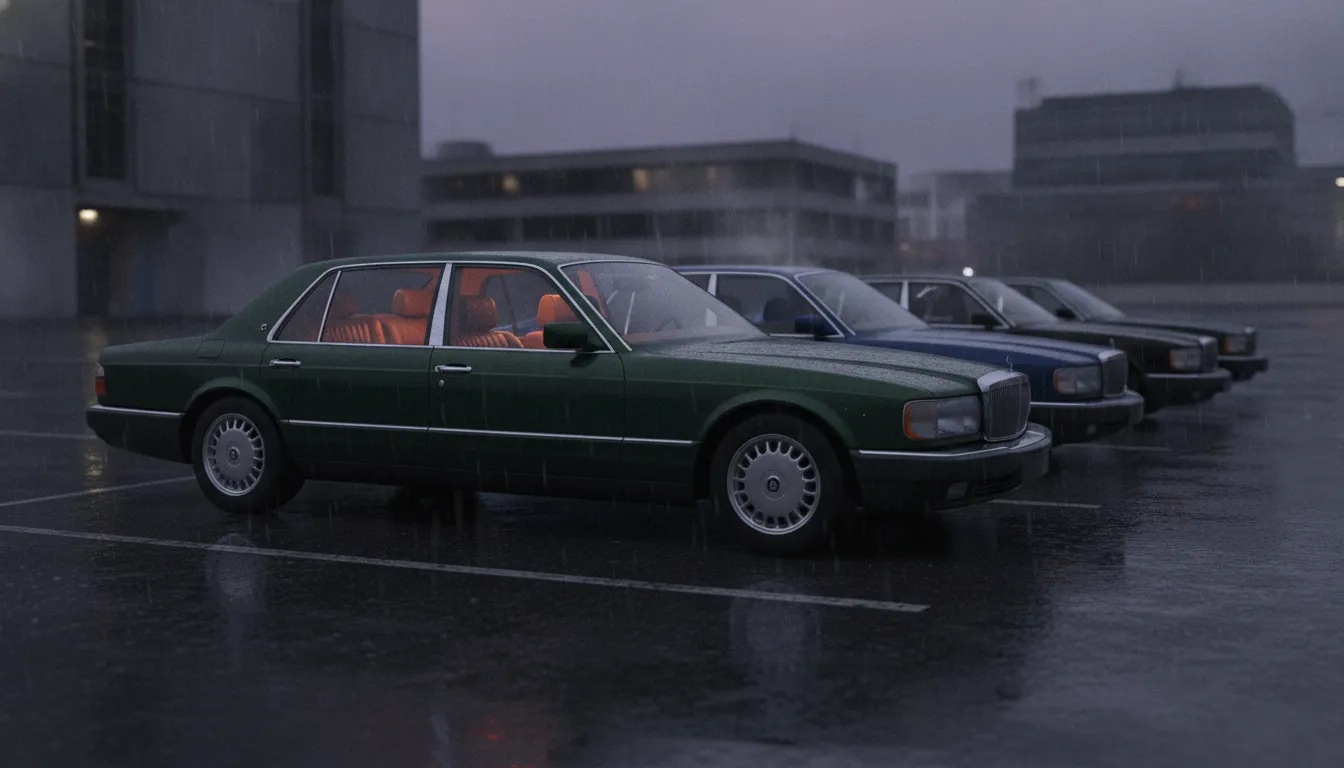
There is a very specific feeling that comes with a flagship luxury sedan. You sit behind the wheel and suddenly you are a captain of industry, a head of state, or somebody who definitely should not be asked what is in the trunk. These machines were designed to be the best cars in the world, loaded with V12 engines, reclining rear seats, refrigerators, massage functions, wood trim, leather, and enough electronics to operate a small airport.
When new, many of these dream ccars cost $150,000, $200,000, or even more. Today, some are sitting on used-car lots for less than a new Nissan Altima. That sounds like an opportunity. It is usually a trap.
The original owners leased these dream ccars, used them during their warranty years, and handed the keys back before the expensive stuff began to fail. The next owner gets the V12 badge, the exotic engine note, and the prestige. They also get the repair bills that were designed for somebody who could afford the car at its original price.
These are 12 flagship dream ccars that lost staggering amounts of value. Some are beautiful. Some are genuinely fast. All of them can become catastrophically expensive if you buy the wrong example without understanding what is hiding underneath the leather and wood.
Table of Contents
- The real problem with depreciated dream ccars
- 12. Jaguar XJ Supercharged X351: the beautiful British gamble
- 11. Audi S8 D3: the Lamborghini-engine sleeper
- 10. BMW 750i F01: the N63 problem
- 9. Maserati Quattroporte GTS: Ferrari noise, Chrysler details
- 8. Lexus LS 600hL: reliable until the hybrid battery is not
- 7. Mercedes-Benz S600 W220: the disposable V12
- 6. Volkswagen Phaeton: a Bentley wearing a Volkswagen badge
- 5. BMW 760Li E66: 70 modules and one bad day
- 4. Porsche Panamera Turbo S: the fast four-door with glued coolant pipes
- 3. Bentley Arnage T: old money and old problems
- 2. Aston Martin Rapide: the beautiful mistake
- 1. Mercedes-Maybach S600 W222: the ultimate lifestyle tax
- How to approach dream ccars without destroying your wallet
- FAQ About Dream Ccars and Flagship Sedan Depreciation
- Final verdict
The real problem with depreciated dream ccars
Depreciation does not make a complex luxury sedan cheaper to maintain. It only makes the purchase price look harmless.
A $10,000 V12 sedan may need $8,000 in valve stem seals. A $15,000 European flagship may have four air-suspension corners that cost thousands each. A $7,000 BMW can be disabled by one failed module in a network of more than 70 electronic control units.
That is the rule with these dream ccars: the resale value falls, but parts pricing does not. The dealership does not suddenly charge economy-car rates because the sedan is now old enough to buy with a tax refund.
Before getting into the list, understand the three questions that matter most:
- What does the worst known failure cost? Not an oil change. Not tires. The failure that turns the car into a driveway ornament.
- Who can diagnose it? Some of these cars are too complicated for a general repair shop and too old for a dealer to want to touch.
- Can you afford the car twice? If the answer is no, you probably cannot afford the car once.
12. Jaguar XJ Supercharged X351: the beautiful British gamble
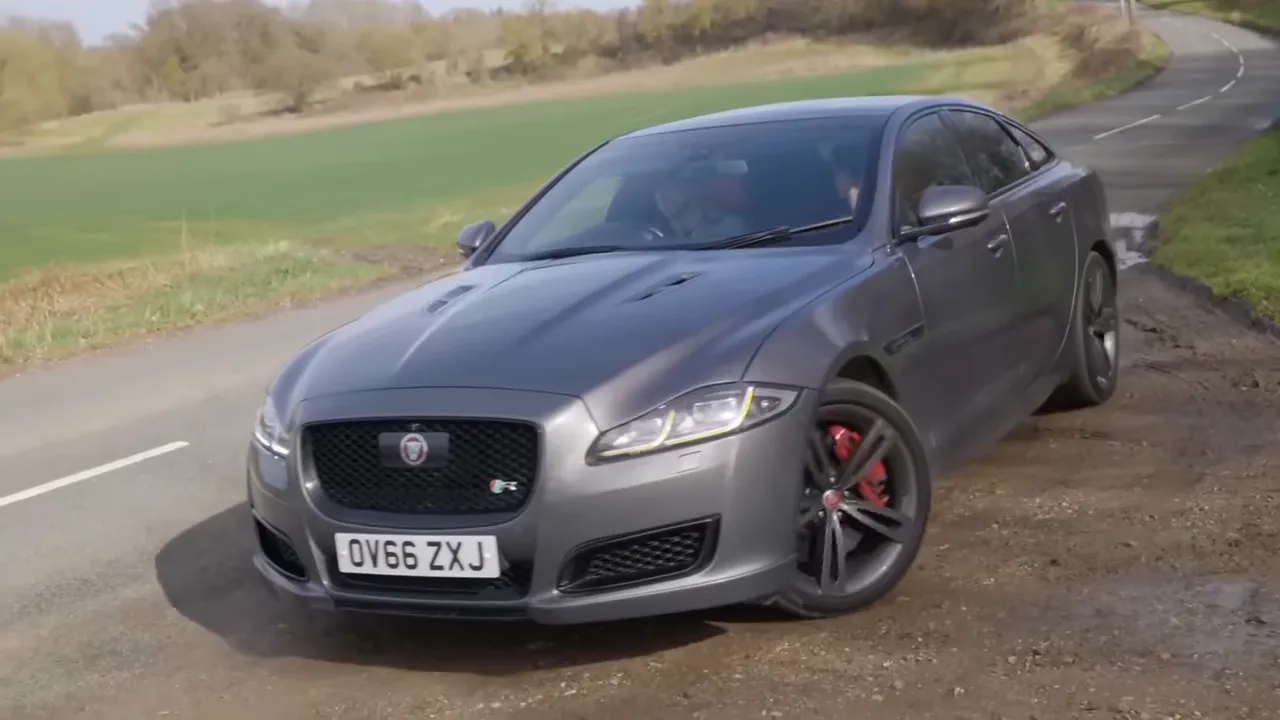
The X351 Jaguar XJ was the car that dragged Jaguar away from old-man styling and into something genuinely dramatic. The aluminum body is sleek, the sweeping wood veneer wraps around the cabin, and the purple mood lighting makes the interior feel like a London nightclub with license plates.
The supercharged 5.0-liter V8 produces 510 horsepower. It is a muscle car in a tuxedo, one of the most seductive dream ccars on this list.
- Original price: around $120,000
- Current price: around $15,000
- Value lost: around $105,000
The trap is the timing-chain tensioners. They rely on oil pressure to keep the timing chain tight. When they fail, the chain can slacken, the valves can meet the pistons, and the engine can destroy itself very quickly. Early cars also use plastic coolant pipes that can crack with age. A coolant loss on this engine can become a warped-head-gasket nightmare.
The XJ remains arguably the best-looking car here, and it drives better than plenty of larger luxury sedans. But a buyer should plan to address the cooling system immediately and verify the engine history before falling for the price.
11. Audi S8 D3: the Lamborghini-engine sleeper
The D3 Audi S8 is one of the most dangerous dream ccars because it looks so normal. It is understated, discreet, and almost anonymous beside modern high-performance sedans. But under the hood is a 5.2-liter V10 sourced from the Lamborghini Gallardo.
It produces 450 horsepower, sounds exotic, and has all-wheel drive. A Lamborghini engine in a four-door sedan that can handle rain, snow, and daily traffic is a deeply persuasive sales pitch.
- Original price: around $110,000
- Current price: around $18,000
- Value lost: around $92,000
The primary engine problem is carbon buildup on the intake valves. Direct injection allows deposits to accumulate over time, causing misfires, reduced power, and rough running. Cleaning it properly is not a casual Saturday project.
Then there is the adaptive air suspension. When a strut leaks, the repair bill can reach roughly $2,000 per corner. Four corners later, the cheap V10 Audi does not look cheap anymore.
This may be the ultimate sleeper among these dream ccars. Just remember that an $18,000 purchase price does not turn a Lamborghini-derived V10 into an $18,000 ownership experience.
10. BMW 750i F01: the N63 problem
The BMW 750i F01 arrived with twin-turbo V8 power, side-view cameras, a head-up display, lane-departure warning, and enough technology to make it feel like science fiction at launch. It was fast, luxurious, and built to dominate the Autobahn.
Then there is the N63 engine.
- Original price: around $100,000
- Current price: around $10,000
- Value lost: about 90 percent
The N63 is infamous for oil consumption. BMW issued guidance that oil use approaching a quart every 750 miles could be considered normal. It is not normal in the sense that anybody with a functioning bank account should enjoy.
Oil consumption can damage catalytic converters and foul spark plugs. The turbochargers sit in the V of the engine, where heat builds up and can damage valve stem seals. The result can be blue smoke at idle and an $8,000 valve-stem-seal repair.
Among the dream ccars here, the 750i has perhaps the clearest warning label. The purchase price is tempting because the car has already told the market exactly what it thinks of the engine.
9. Maserati Quattroporte GTS: Ferrari noise, Chrysler details
The sixth-generation Maserati Quattroporte GTS is a legitimate four-door supercar. It uses a 3.8-liter twin-turbo V8 built by Ferrari, makes 523 horsepower, hits 60 mph in about 4.6 seconds, and reaches 190 mph. It looks spectacular and sounds exactly as dramatic as a Maserati should.
- Original price: around $145,000
- Current price: around $30,000
- Value lost: around $115,000
The engine is not the main issue. The rest of the car is where things become awkward. Window switches sourced from a Dodge Dart, infotainment components shared with a Chrysler minivan, and dashboard leather that can peel in the sun do not feel appropriate in a six-figure Italian sedan.
This is one of those dream ccars that makes sense only if the engine note matters more than perfection. It can feel special every time the V8 starts, but the interior may slowly disintegrate around you while you enjoy it.
8. Lexus LS 600hL: reliable until the hybrid battery is not
A Lexus on this list seems wrong. The standard Lexus LS is one of the most dependable luxury cars ever built. But the LS 600hL was not a normal LS. It was a long-wheelbase hybrid flagship intended to challenge V12 Mercedes-Benz sedans.
It combines a 5.0-liter V8 with high-voltage electric motors. It was the most expensive Japanese car exported to the United States at the time, and Toyota reportedly flew examples to America by cargo plane rather than shipping them by boat.
- Original price: around $120,000
- Current price: around $18,000
- Value lost: around $102,000
The major concern is the aging hybrid battery. If it fails, the power assist disappears, fuel economy drops, warning lights multiply, and a replacement battery from Lexus can cost around $6,000. Limited production also makes used parts difficult to source.
This is one of the more sensible dream ccars if the battery is healthy and the history is exceptional. Until that battery fails, it may be the most reliable car on the list. Once it fails, it becomes an extremely heavy luxury sedan waiting for a very expensive decision.
7. Mercedes-Benz S600 W220: the disposable V12
The W220 S600 introduced the twin-turbo M275 V12. It was a torque monster built for dictators, diplomats, and anyone who wanted the V12 badge to make a proper announcement before they even got out of the car.
- Original price: around $130,000
- Current price: around $8,000
- Value lost: about 94 percent
The W220 era is also remembered as a period when Mercedes-Benz quality took a serious fall. The biggest danger is Active Body Control, or ABC, the hydraulic suspension system operating at approximately 3,000 psi. A burst hose can spray hydraulic fluid onto hot exhaust components and create a genuine fire risk.
Rust is another problem. Poor factory treatment means some examples have aged like they were stored underwater.
A twin-turbo V12 for $8,000 is one of the wildest propositions in the world of dream ccars. It is also exactly why this Mercedes is so dangerous. Suspension repairs can exceed the car’s value, while corrosion can consume the rest.
6. Volkswagen Phaeton: a Bentley wearing a Volkswagen badge
The Volkswagen Phaeton may be the most confusing flagship ever made. Volkswagen leadership wanted the best car in the world, not merely the best Volkswagen. The target was a sedan capable of running at 186 mph all day while holding the cabin at a perfect 72 degrees Fahrenheit.
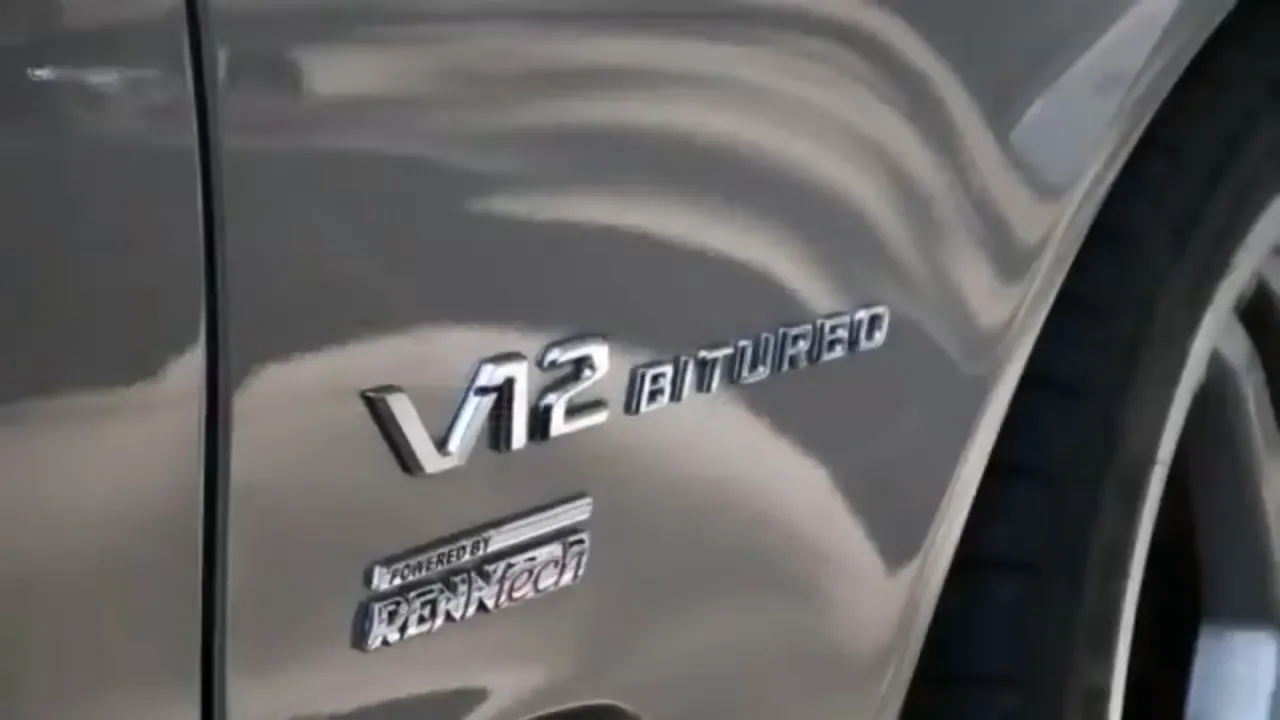
It received Bentley Continental GT hardware, a 6.0-liter W12, air suspension, four-zone climate control, and an absurd amount of technology.
- Original price: around $100,000
- Current price: around $15,000
- Value lost: around $85,000
The trap is complexity. Even the trunk hinges are machined from solid aluminum and can cost around $800 each. The climate-control system uses motorized wood panels to conceal the vents. Volkswagen technicians are accustomed to Jettas and Golfs, while Bentley specialists may not want to work on a car wearing a Volkswagen badge.
That leaves the owner of one of these dream ccars paying a specialist to solve problems in real time. It is stealth wealth taken to the point where nobody notices the luxury, but everybody notices the invoice.
5. BMW 760Li E66: 70 modules and one bad day
The BMW 760Li E66 was an engineering flex. It used the world’s first direct-injection V12, plus iDrive, active sway bars, rear-seat refrigeration, and technology intended to prove BMW could out-engineer everybody.
- Original price: around $125,000
- Current price: around $7,000
- Value lost: about 95 percent
The problem is not just the V12. It is the electronic architecture. The car has more than 70 electronic control modules communicating through a fiber-optic network. A failed seat module, sunroof module, or door-handle module can potentially disrupt the entire network and stop the car from starting.
That is the nightmare of these electronically ambitious dream ccars: a component failure that sounds minor can immobilize the entire vehicle. Diagnosis may require tools that cost more than the car and expertise many independent shops do not have.
A $7,000 V12 BMW is not transportation. It is a rolling computer crash with a leather interior.
4. Porsche Panamera Turbo S: the fast four-door with glued coolant pipes
The first-generation Panamera Turbo S was mocked for its looks when it arrived. It had strange proportions, an awkward roofline, and the appearance of a 911 that had spent too much time near a bakery.
It was also brutally fast. The 4.8-liter twin-turbo V8 made 550 horsepower and could reach 60 mph in 3.6 seconds while carrying four adults in climate-controlled comfort.
- Original price: around $175,000
- Current price: around $25,000
- Value lost: around $150,000
The famous problem is the coolant pipes. Porsche glued them together. Over time, the adhesive can fail and the pipes can separate, dumping coolant rapidly. Repairing the issue requires an engine-out job that can cost $5,000 to $8,000 at minimum.
Add the air-suspension compressor and potential PDK transmission sensor faults, and this becomes one of the fastest dream ccars to empty a bank account. It drives like a dream until it wets the bed on the highway.
3. Bentley Arnage T: old money and old problems
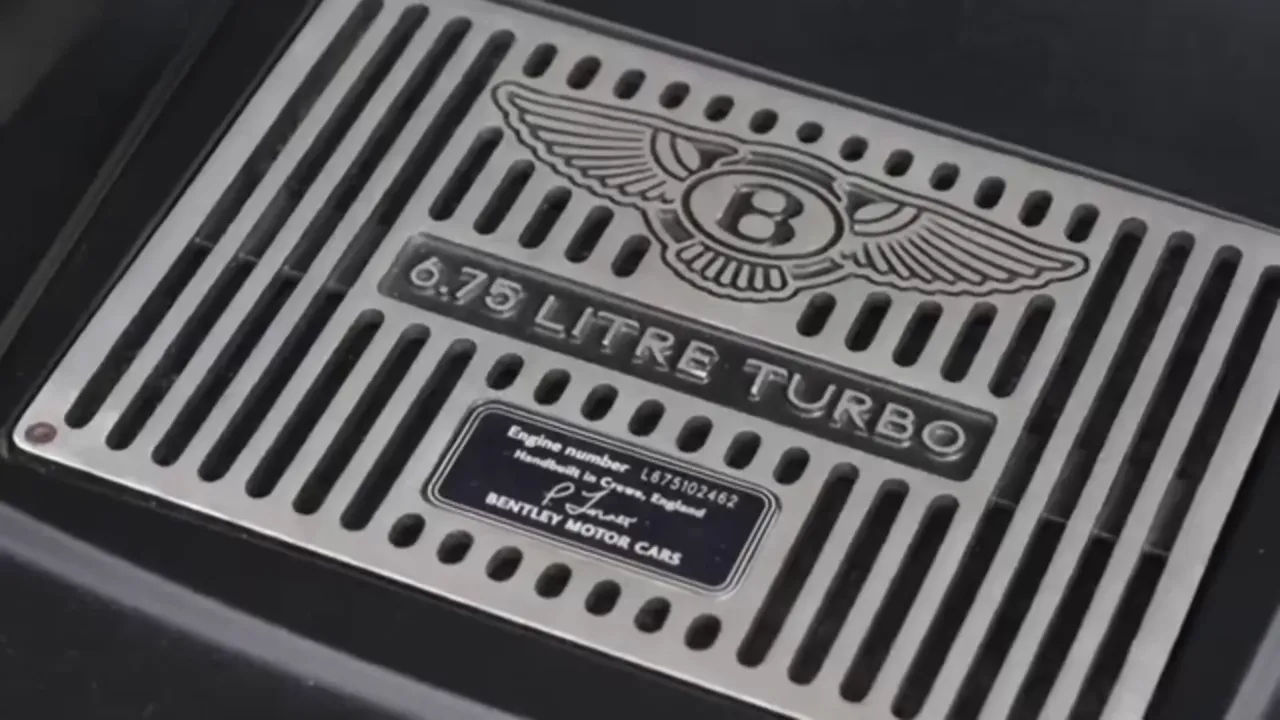
The Bentley Arnage T is magnificent in a very old-fashioned way. Its 6.75-liter V8 traces its core architecture back to the 1950s, but Bentley added twin turbochargers and produced 738 lb-ft of torque. It feels like a locomotive dressed in hand-stitched leather and hand-polished wood.
- Original price: around $240,000
- Current price: around $35,000
- Value lost: around $200,000
The engine’s ancient design has head gaskets known to fail under turbo boost. Replacing them is an engine-out procedure that can cost roughly $10,000. Brake servos can fail, suspension bushings must support a car nearing 6,000 pounds, and some air-conditioning components are no longer manufactured.
This is one of the most dramatic dream ccars ever made. It smells like a British library, moves with locomotive torque, and makes its owner look like royalty. The only issue is that it requires a royal bank account.
2. Aston Martin Rapide: the beautiful mistake
The Aston Martin Rapide is one of the most beautiful four-door cars ever built. It rides on the DB9 platform, uses a naturally aspirated 6.0-liter V12 producing 470 horsepower, and has an exhaust note that is pure theater.
- Original price: around $200,000
- Current price: around $40,000
- Value lost: around $160,000
The major trap is catalytic-converter failure triggered by engine misfires. The PCV breather system can fail, allowing oil into the intake. That can create misfires, which can destroy the catalytic converters. Replacing all four can cost between $8,000 and $15,000 before the underlying issue is even fixed.
Cam-cover gaskets can leak, oil consumption can become an issue, and low production numbers mean specialist knowledge is scarce. These dream ccars are hand-built works of art, but hand-built British sports cars are rarely known for being financially cautious.
For $40,000, the Rapide makes you feel like James Bond. Right up until it does not start.
1. Mercedes-Maybach S600 W222: the ultimate lifestyle tax
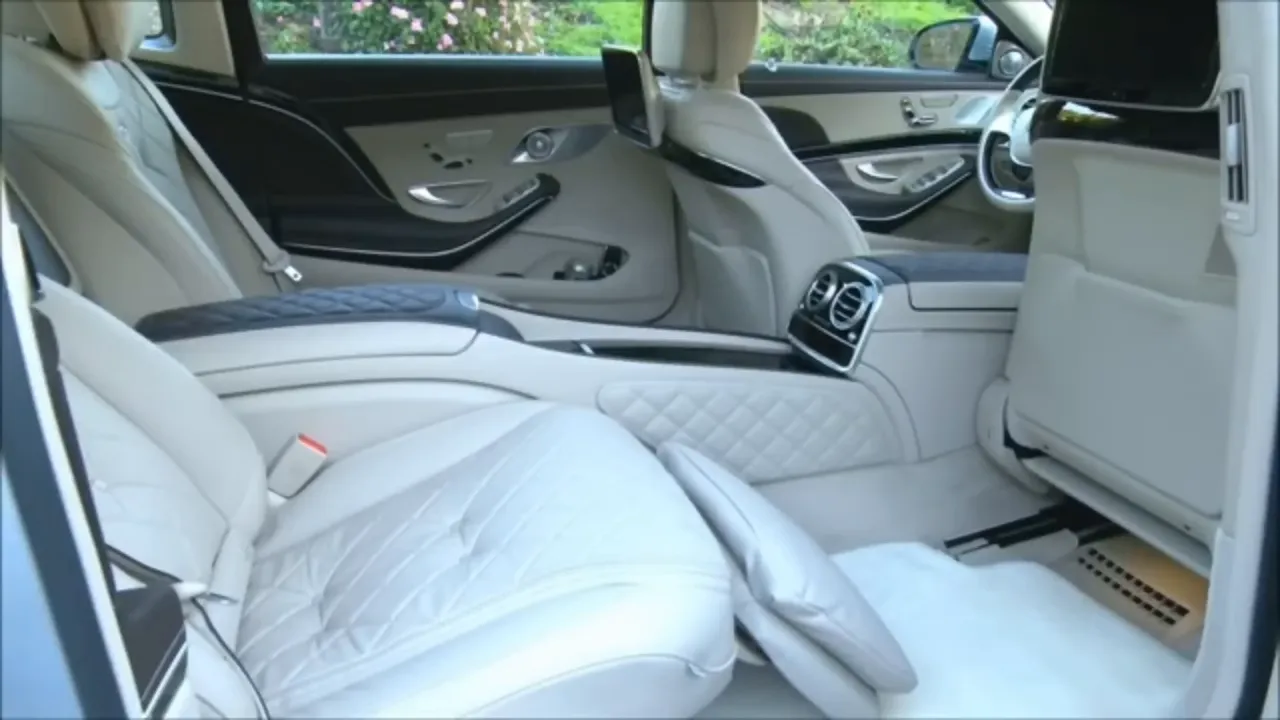
The W222 Mercedes-Maybach S600 was not meant to compete with an ordinary 7 Series or A8. It was positioned against the Rolls-Royce Ghost. It has a 6.0-liter twin-turbo V12 with 523 horsepower, rear seats that recline close to flat, extendable footrests, a refrigerator, a partition window, and a 24-speaker Burmester 3D system.
It was built for people with staff.
- Original price: around $190,000
- Current price: around $45,000
- Value lost: around $145,000
The trap is everything happening at once. Magic Body Control uses cameras to read the road and adjust individual wheels before a bump. When it works, it is miraculous. When it fails, repairs can cost $3,000 to $5,000 per corner.
The twin-turbo V12 can develop cracked turbo oil lines that leak onto hot components. Air suspension bags fail. Airmatic systems leak. Electronics can be difficult even for Mercedes-Benz dealers to diagnose correctly.
This is the pinnacle of luxury among all the dream ccars, but it may also be the clearest definition of automotive financial irresponsibility. The car depreciated to $45,000. The maintenance costs did not receive that memo.
How to approach dream ccars without destroying your wallet
These dream ccars prove that luxury has an expiration date. Technology that made headlines in 2005 can become a mechanic’s retirement plan in 2026. The car may still feel special, but the systems underneath it are aging, and they were never engineered around a bargain-basement ownership budget.
That does not mean every example is automatically a bad purchase. It means the purchase must be approached differently from buying an ordinary used sedan.
- Buy condition, not price. The cheapest car is usually cheap because somebody else is trying to escape the next repair.
- Demand complete records. Service history matters more than paint color, wheel design, or low mileage.
- Get a specialist inspection. A pre-purchase inspection from a marque specialist is mandatory for these dream ccars.
- Budget for immediate maintenance. Assume fluids, tires, suspension work, battery issues, and deferred repairs are waiting.
- Keep a repair reserve. If an unexpected $5,000 to $10,000 bill would end the ownership experience, walk away.
For enthusiasts who enjoy rare cars, auctions, collector culture, and the reality behind ownership, there is more information available through the Real Car Club community. The point is not to kill the dream. The point is to understand the price of it before the tow truck arrives.
FAQ About Dream Ccars and Flagship Sedan Depreciation
Why do dream ccars depreciate so heavily?
Flagship luxury sedans lose value because they are expensive to repair, packed with aging technology, and costly to run outside their warranty periods. The original price reflects engineering, luxury, and exclusivity, but the used market discounts the risk of owning all of it later.
Which car on this list has the biggest depreciation loss?
The Bentley Arnage T has the biggest dollar loss here, falling from roughly $240,000 new to around $35,000, a loss of about $200,000.
Are any of these dream ccars safe to buy?
None should be bought casually. A well-maintained Lexus LS 600hL can be relatively dependable until its hybrid battery ages out, while a carefully maintained Jaguar XJ or Maserati may be manageable for the right owner. The essential factor is an exceptional maintenance history and a realistic repair reserve.
Why is a low purchase price not enough?
Because the purchase price is only the admission ticket. Air suspension, electronics, engine-out repairs, hybrid batteries, turbo systems, and specialist labor are still priced for the original six-figure vehicle.
What is the biggest mistake when shopping for dream ccars?
Buying the cheapest example available. A cheap flagship sedan often has deferred maintenance that can cost more than the car itself. The right example is usually the one with the best records, not the lowest asking price.
Final verdict
Every car on this list was once among the best in the world. That is exactly why these dream ccars are so tempting today. A V10 Audi, a V12 Mercedes, a hand-built Aston Martin, or a Bentley that once cost as much as a house can now be purchased for the price of a sensible commuter car.
But the dream does not get cheaper. Only the entry price does.
If you choose one of these dream ccars, buy it because you understand the risk, have the money to support it, and genuinely want the experience. Buy it because you can afford the nightmare too. Otherwise, the most luxurious thing it will ever do is make your mechanic’s life better.